

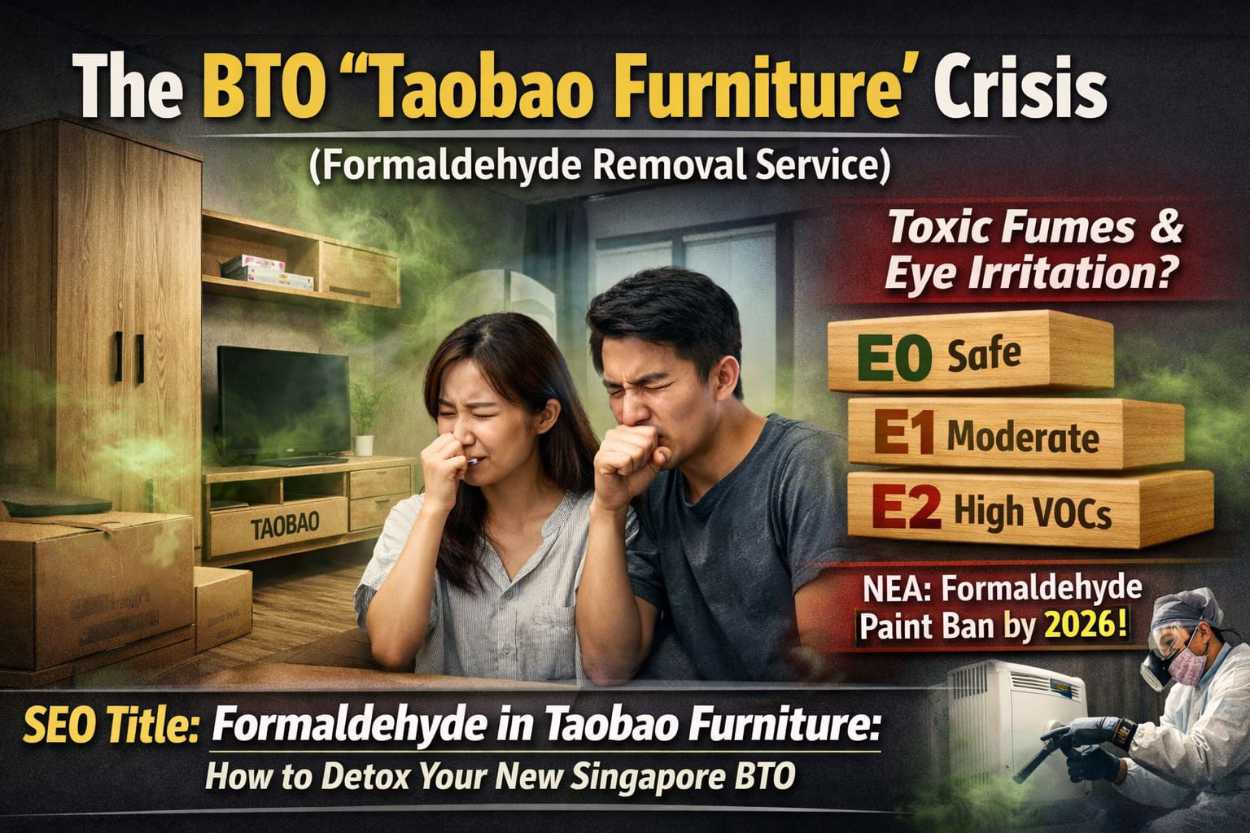
You collected keys. You installed carpentry. You unboxed furniture. Then your eyes started burning like you sliced onions with your face.
That new home smell is not a freshness feature. It is often outgassing from adhesives, resins, laminates, and finishes. Formaldehyde is a common culprit. EasyClean SG calls out irritated eyes, nose, throat, coughing, and shortness of breath as common signals homeowners notice when formaldehyde is present indoors. (Easyclean SG)
If you imported custom carpentry or budget furniture from Taobao or cross border sources, the risk can rise because material grades and test documents are not always easy to verify at the point of purchase.
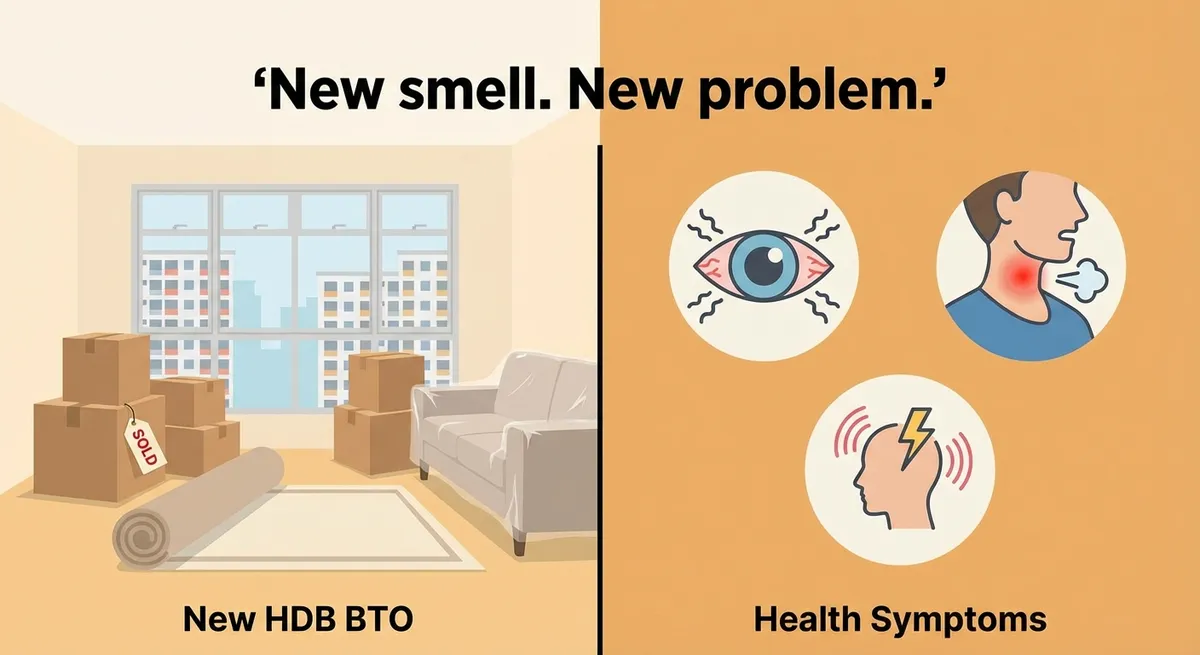
Why your new BTO smells chemical and why it hits harder at night
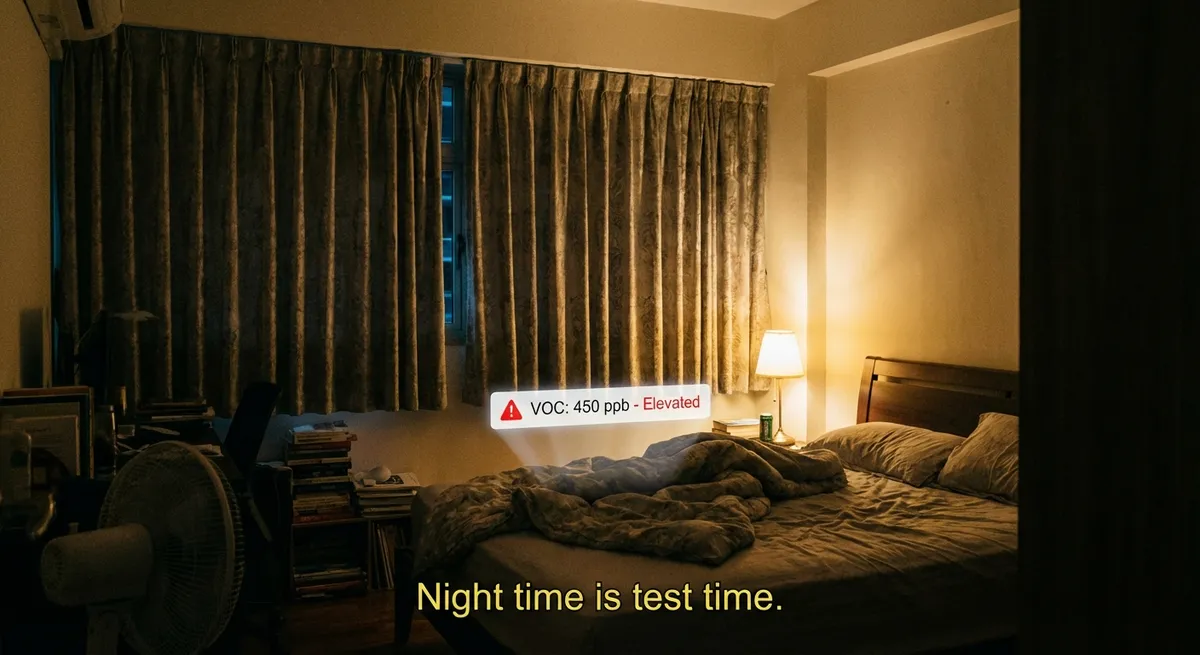
That sharp smell usually comes from VOCs and formaldehyde released by pressed wood and adhesives. Heat and humidity speed up outgassing, so Singapore homes can feel worse after the lights go off and windows close. Airing out helps but it can take a long time if the source stays inside your cabinets. A test first approach tells you if you are dealing with a mild annoyance or a real indoor air issue. (Easyclean SG)
The new house smell myth
A smell is not a badge of renovation success. It is chemistry leaving materials and entering your lungs.
Why it feels worse in Singapore
Formaldehyde and VOC release increases when temperature rises. That is why afternoons and closed up nights can feel brutal. Humid air also makes the space feel heavier, so symptoms stand out more.
Quick health reality check
The World Health Organization recommends a short term guideline for formaldehyde of 0.1 mg per cubic metre over a 30 minute period to prevent sensory irritation in the general population. (NCBI)
If your family gets stinging eyes, throat irritation, or headaches that improve when you leave the flat, treat it as a signal, not a vibe.
E0 vs E1 vs E2: Decoding the wood grade trap
A lot of homeowners think plywood is plywood. Then the smell shows up and everyone becomes an indoor air scientist overnight.
Here is the simple version.
What these grades mean
E grades are commonly used to describe formaldehyde emission performance for wood based panels. The exact test method and units can differ by standard, which is why sellers can sound confident while still being vague.
This table uses the common desiccator style mg per litre framing you will see in many Asia supply chains. A peer reviewed overview notes that mg per litre is used in the desiccator method context. (Wiley Online Library)
| Wood grade label | Typical emission framing | Practical meaning for a new BTO |
|---|---|---|
| E0 or Super E0 | ≤ 0.5 mg per litre in common desiccator based references | Lowest emissions category used in many retail claims. Often priced higher. (plywood.cc) |
| E1 | Often described as a safer indoor baseline. In European framing, E1 panels are commonly linked to an upper limit around 0.124 mg per cubic metre in EN 717 1 chamber tests | Usually acceptable for many homes when ventilation is good, but quality varies by manufacturer and glue system. (measurlabs.com) |
| E2 | Higher emissions category | Higher risk for strong smell and irritation, especially in small rooms and closed cabinets. (measurlabs.com) |
Two important truths:
- A label is not a test report. If a seller cannot show documentation, treat the grade as marketing.
- Even good grade panels can smell if the laminate, glue, edge banding, or finish is heavy.
If you want to approach it like an adult, use measurement. EasyClean SG offers formaldehyde removal services and can advise on the source and treatment direction. (Easyclean SG)
2026 NEA rule: No formaldehyde in interior paints from 1 January 2026
This is the news hook you mentioned, and it is real.
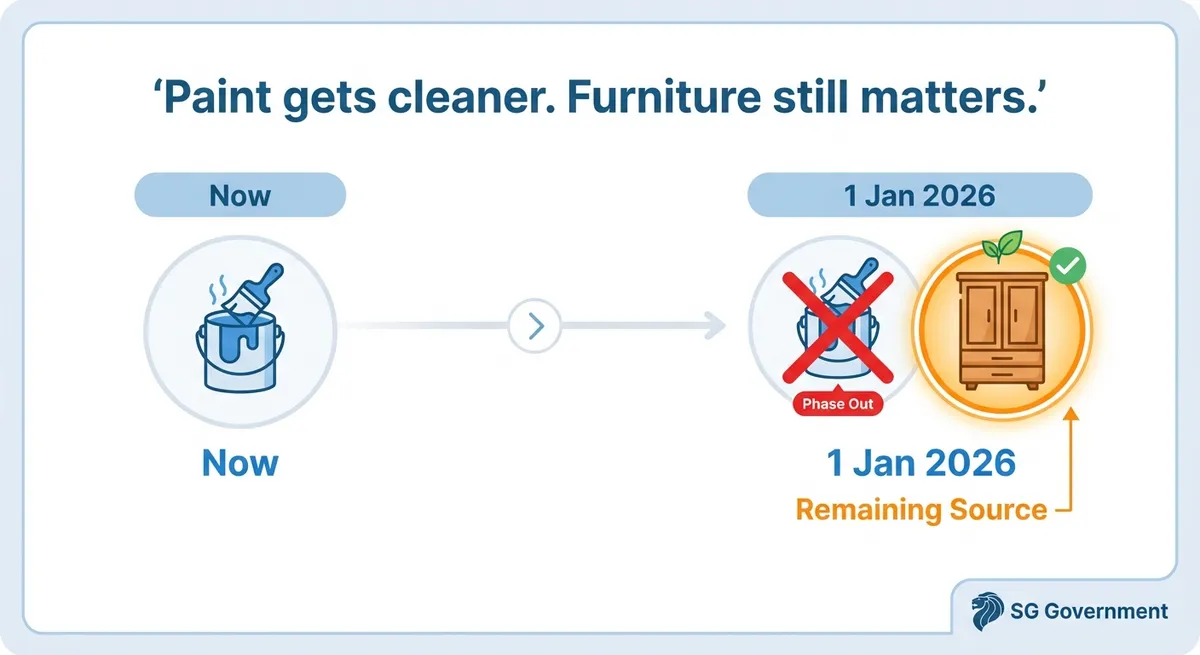
NEA announced that from 1 January 2026, interior paints sold in Singapore must not contain formaldehyde. NEA frames this as a move to minimise exposure and improve indoor air quality. (National Environment Agency)
Two practical takeaways for BTO owners:
- Paint becomes less likely to be the main source. That shifts attention to furniture, carpentry, and adhesives.
- Low VOC paint does not cancel out toxic furniture. If your cabinets and imported boards keep emitting, the smell stays.
If you want an extra authoritative quote style reference, MSE also published a parliamentary reply noting the same 1 January 2026 rule for interior paints with formaldehyde not allowed for sale. (Sustainability Ministry)
Why airing out for 2 weeks often fails
Ventilation helps. It does not always solve.
If the emission source is inside:
- Cabinet boxes
- Drawers
- Shoe cabinets
- Wardrobes
- Pressed wood headboards
Then the gas keeps coming. You are basically fighting a tap that never turns off.
A full scale chamber study on wood furniture tracked formaldehyde emissions over long testing durations, showing emissions persist and decay over time rather than disappearing overnight. (ScienceDirect)
So yes, open windows. Just do not rely on it as your only plan if symptoms are real.
The EasyClean detox approach: How professional formaldehyde removal works
EasyClean SG positions its formaldehyde removal service around helping homeowners breathe easier when renovation or new furniture triggers irritation and indoor air concerns. (Easyclean SG)
A sensible professional process follows a simple structure.
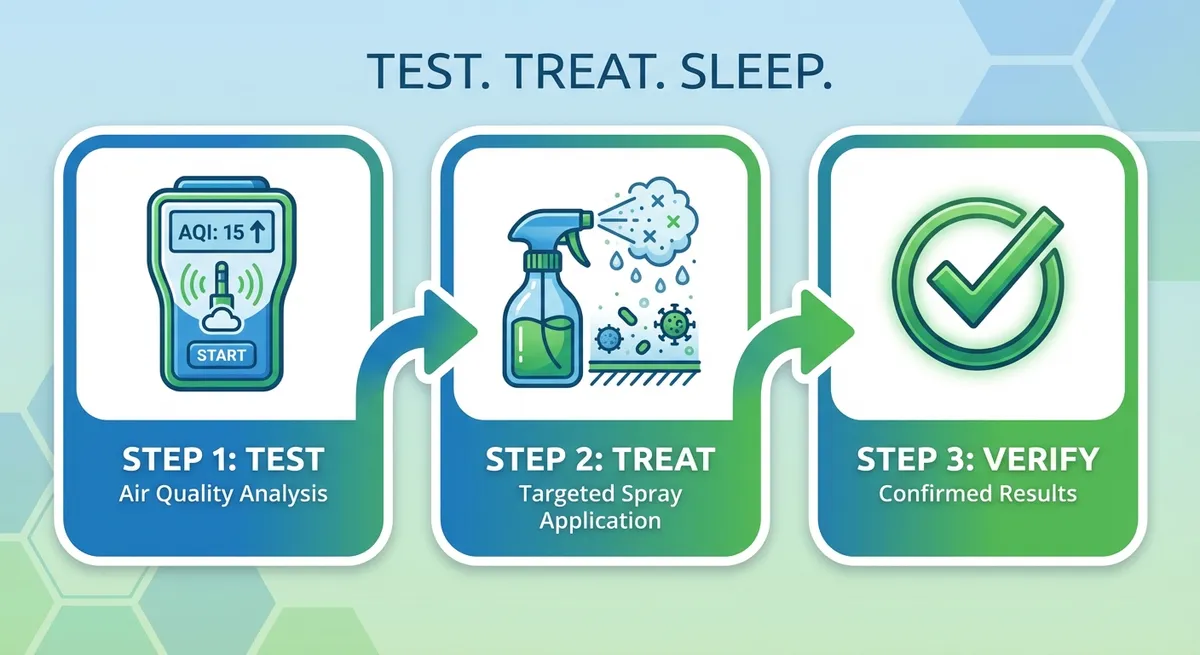
Step 1: Test and identify likely sources
You want to know if the problem is mainly:
- Furniture and carpentry
- Paint and coating
- Combined VOC load from renovation materials
A handheld VOC meter can help with basic screening, especially in bedrooms before kids move in. It is not a medical device, but it gives you direction.
Step 2: Treat the space using a targeted method
Different situations call for different methods. The key is to use a method that targets the source and does not just mask smell.
Step 3: Verify improvement
A real service should aim to show improvement rather than relying on trust me, it smells better.
If you want the official EasyClean SG page to reference in the article, use:
- Formaldehyde removal services: (Easyclean SG)
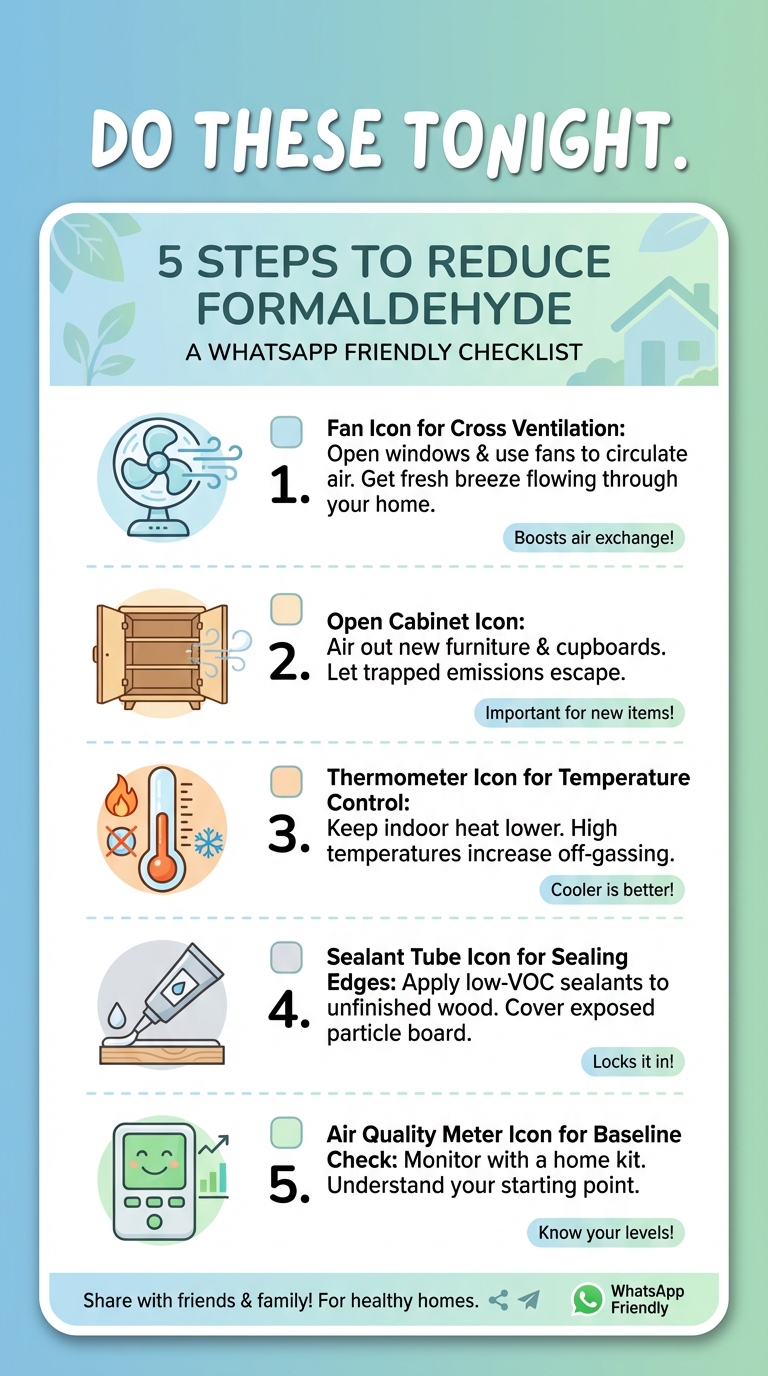
5 immediate steps you can do today if your BTO smells toxic
These steps reduce exposure while you decide on testing or treatment.
Turbo cross ventilation Open windows on opposite sides. Use a fan to push air out one side. Do not just stir the air. Move it out.
Ventilate cabinets, not just rooms Open cabinet doors and drawerdes inside closed boxes.
Control heat and humidity Heat speeds up outgassing. Keep the home cooler when possible. Use dehumidification if humidity is high.
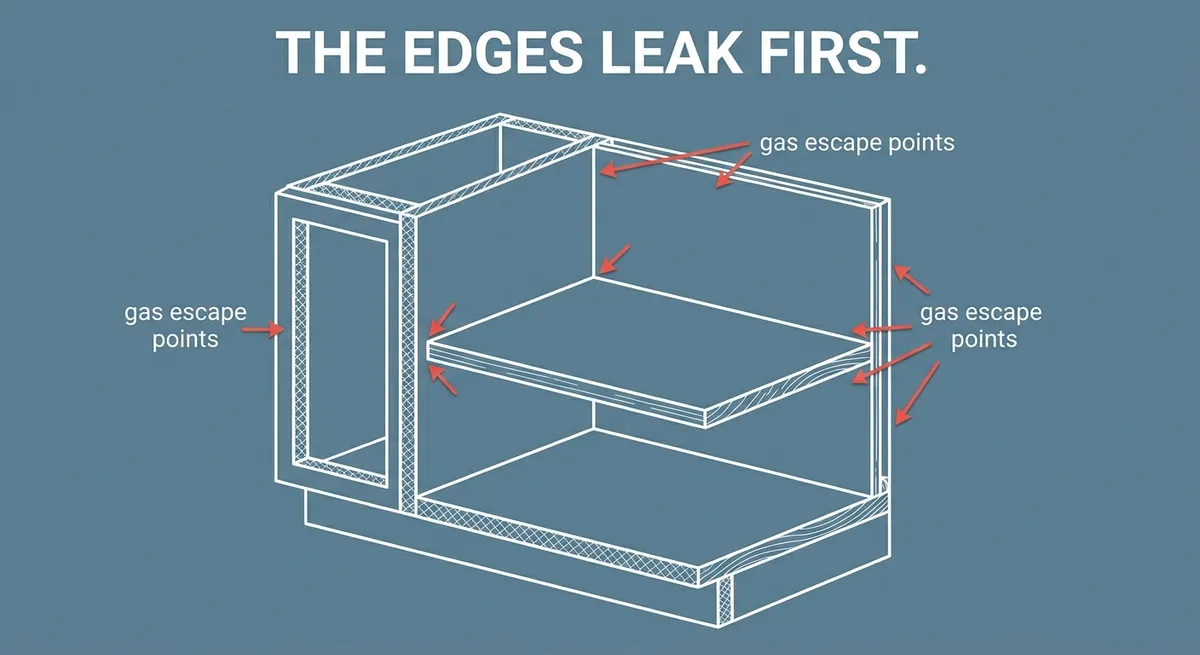
Seal exposed board edges A lot of emissions escape from exposed edges and raw cuts. Sealing reduces release.
Do a baseline check before you move kids in If symptoms show up in bedrooms, do not guess. Measure, then plan. The WHO guideline exists for a reason. (NCBI)
Simple timeline for BTO owners
Google loves timelines, and homeowners love anything that makes the chaos feel manageable.
Day 1 to 2 Spot symptoms. Identify the worst rooms. Start ventilation and cabinet airing.
Day 3 to 5 Do a basic screening with a meter if available. Decide if you need professional testing and treatment.
Week 1 If symptoms persist, treat the source. Do not keep playing perfume roulette.
Week 2 Verify improvement. Lock in storage habits to reduce humidity and future smell buildup.
Call to action: Get your BTO air checked before it becomes your new normal
If your eyes sting, your throat feels scratchy, or the smell keeps coming back after ventilation, treat it like an indoor air issue, not a new home personality.
EasyClean SG provides formaldehyde removal services for Singapore homes and can guide you on testing and treatment options based on your BTO layout and furniture load. (Easyclean SG)